
In the last three years, South Florida's real estate market has undergone a quiet transformation. While headlines focus on interest rates, inventory shortages, and price corrections, a different story is unfolding beneath the surface — one written largely in Spanish.
Spanish-speaking buyers from Spain, Mexico, Colombia, Venezuela, Argentina, and across Latin America now represent the largest international buyer cohort in Miami-Dade, Broward, and Palm Beach counties. They are not just buying more homes; they are reshaping how those homes are bought.
The numbers tell the story
According to the latest data from the Miami Association of Realtors, foreign buyers accounted for nearly thirty percent of all condo purchases in Miami-Dade over the past twelve months. Of that group, Spanish-speaking buyers represented more than half — with the largest contingents coming from:
- Colombia — long the leading source, with established communities in Doral and Weston
- Argentina — surging due to currency instability and capital flight
- Mexico — consistent buyers across all price segments, particularly Brickell and Coconut Grove
- Venezuela — continuing their decade-long migration, now expanding beyond Doral into Aventura
- Spain — increasingly visible at the luxury end, particularly Edgewater and the beaches
What makes this notable is not the volume alone, but the velocity and the typology. These buyers are not browsing — they are deciding.
The Spanish-speaking buyer in 2026 is not the speculative investor of 2007. They are the family wealth manager moving capital out of unstable economies and into the most legally protected real estate market in the Americas.
How they buy is changing the playbook
Three patterns dominate how Spanish-speaking buyers approach Florida real estate, and understanding them is essential for anyone — agent, lender, or fellow buyer — navigating this market.
1. Cash is still king, but financing is rising
Historically, Latin American buyers paid cash. That is shifting. Foreign National DSCR loans — debt service coverage ratio mortgages that qualify based on the property's rental income rather than the buyer's US tax returns — have opened the door to leveraged purchases without requiring a US credit history. We are seeing more buyers split their capital across multiple properties using this financing, rather than locking it into one cash purchase.
2. The condo-versus-house calculus has flipped
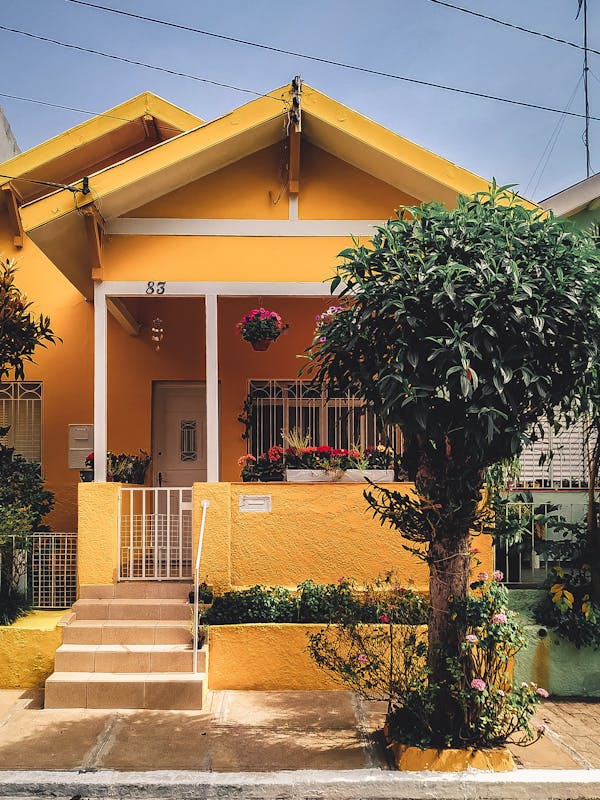
For decades, the default international purchase was a luxury condo — for security, lock-and-leave convenience, and rental income. That logic still holds in Brickell and Sunny Isles. But increasingly, Spanish-speaking buyers are buying single-family homes in Doral, Weston, Pembroke Pines, and Coral Gables — not for investment, but for family relocation. The condo is the asset; the house is the home.